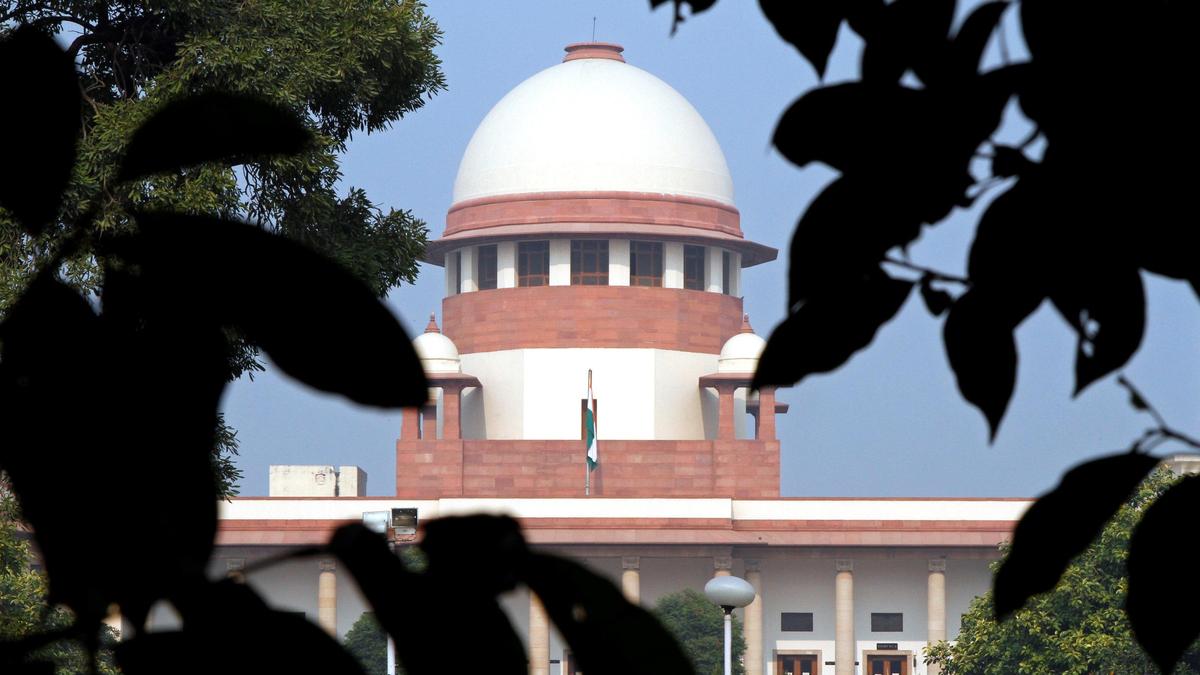
SC Notice to Centre on Vacancies in Income Tax Appellate Tribunal (ITAT)
Supreme Court issues notice to the Centre regarding long-standing vacancies in the Income Tax Appellate Tribunal, including registrar positions, potentially impacting tax dispute resolution.
Why in News?
Supreme Court issues notice to the Centre regarding long-standing vacancies in the Income Tax Appellate Tribunal, including registrar positions, potentially impacting tax dispute resolution.
What Happened
The Supreme Court has issued a notice to the Central Government in response to a petition highlighting the significant number of vacant positions within the Income Tax Appellate Tribunal (ITAT). Senior Advocate Mukul Rohatgi, representing the petitioner, brought to the court's attention that numerous posts, including those of registrars, have remained unfilled for several years. The petition argues that these vacancies are impeding the efficient functioning of the ITAT and delaying the resolution of tax-related disputes.
Background & Context
The ITAT is a quasi-judicial body that hears appeals against orders passed by the Income Tax Department. Its efficient functioning is crucial for ensuring timely justice in tax matters and maintaining the integrity of the tax administration system. Delays in the ITAT can lead to increased litigation, revenue loss for the government, and uncertainty for taxpayers. The issue of vacancies in tribunals and appellate bodies has been a recurring concern, with the Supreme Court intervening in several cases to ensure timely appointments and address the backlog of cases.
Key Facts & Data Points
- The petition highlights vacancies in multiple positions, including registrars, within the ITAT.
- The ITAT is a quasi-judicial body that hears appeals against orders of the Income Tax Department.
- Senior Advocate Mukul Rohatgi represented the petitioner in the case.
- The Supreme Court has previously intervened to address vacancies in tribunals.
UPSC Relevance
Papers: GS2, Prelims
Topics: Statutory, regulatory and various quasi-judicial bodies; Government policies and interventions for development in various sectors and issues arising out of their design and implementation.